A boat trailer in an apartment lot, a work van parked on the street, or an RV taking up the driveway can become a daily problem fast. Outdoor vehicle parking gives South Florida owners a practical place to keep vehicles that do not fit at home, but the right lot should do more than provide empty pavement. It should make access, pricing, security, and vehicle fit clear before you reserve.
For owners in Riviera Beach, Hollywood, and nearby coastal communities, the best option depends on what you park, how often you need it, and where you need to be. A boater heading to a marina has different priorities than a contractor with a cargo trailer or a seasonal resident with a second vehicle. Start with the basics, then choose a space that supports your actual routine.
What Good Outdoor Vehicle Parking Looks Like
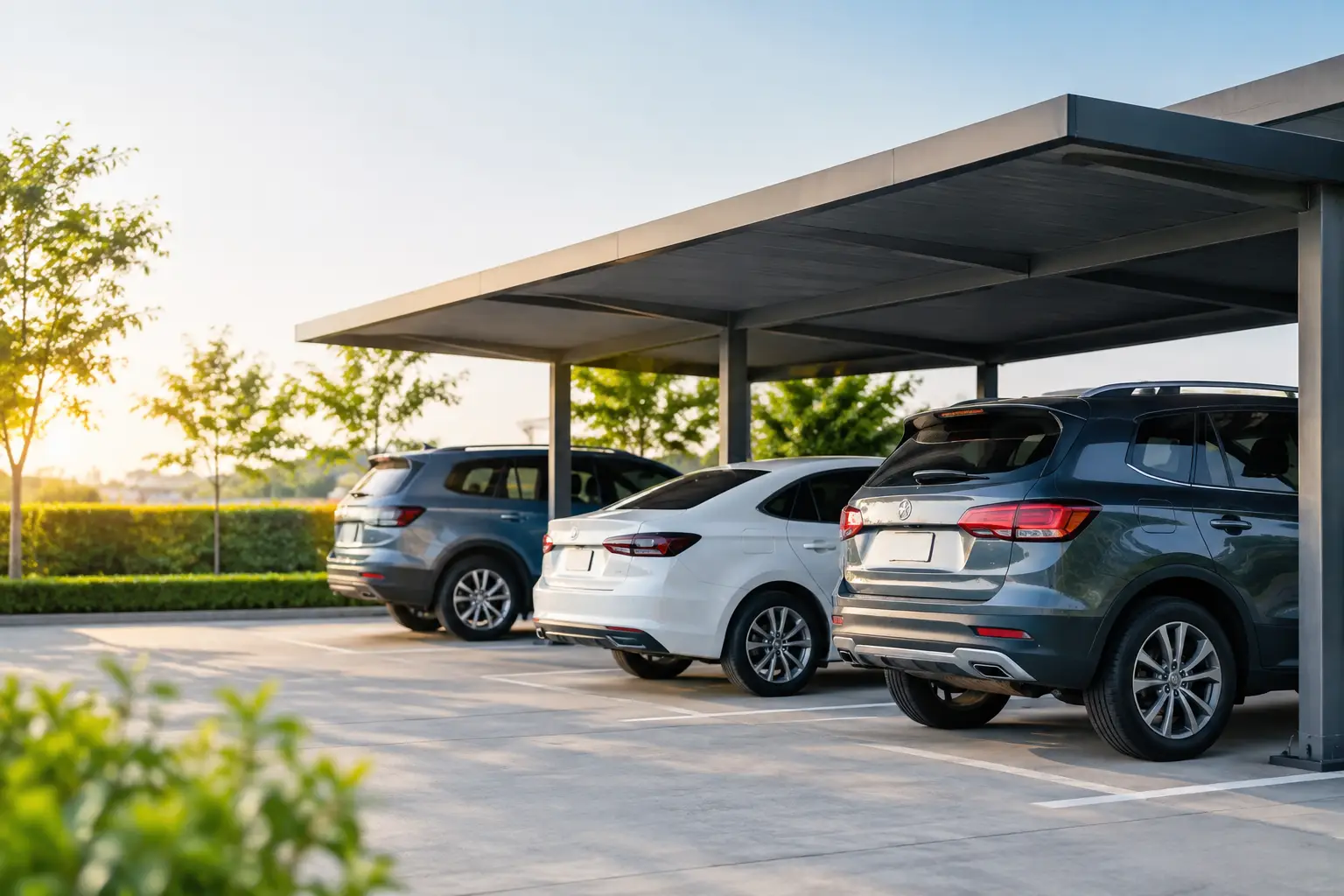
Outdoor parking is not the same as leaving a vehicle in an open field or an unassigned overflow area. A professionally managed facility should have defined spaces, clear rules, controlled entry, and a layout that makes it easy to find and park your vehicle.
Assigned, numbered spaces matter more than they may seem. You know exactly where your vehicle belongs, rather than arriving to find someone else using the spot you expected. It also helps the property operator keep the lot organized, monitor activity, and address issues without confusion.
A paved surface is another practical factor. In South Florida, heavy rain can turn unpaved parking into mud, standing water, and difficult trailer maneuvering. Paved parking gives cars, trucks, trailers, and motorhomes a more stable place to sit and makes loading, unloading, and hitching up less of a hassle.
Security should be visible, not vague. Look for a fully fenced property, gated entry, camera monitoring, and active local management. Cameras and gates do not eliminate every risk, and no parking provider should promise that they do. They do create a more controlled environment than an open lot, street parking, or a driveway with no oversight.
Match the Space to the Vehicle
The most common parking mistake is reserving based on the vehicle alone rather than the full vehicle setup. A pickup may fit in a standard space, but a pickup with a utility trailer needs room for the combined length, turning path, and safe clearance from neighboring spaces.
Before reserving outdoor vehicle parking, measure the vehicle from end to end, including hitches, trailer tongues, racks, and anything that extends beyond the bumper. Measure the width with mirrors, toolboxes, or side-mounted equipment in mind. If you are parking a boat on a trailer, use the trailer length, not the length of the boat hull.
It also helps to think about how you will enter and exit. A compact car can pull into nearly any space. A box truck, long boat trailer, or motorhome may need wider lanes and room to swing into position. A space that technically fits can still be inconvenient if every departure requires a difficult backing maneuver.
Vehicle details should be ready when you reserve. Have these four items available:
- Vehicle type, make, model, and color
- License plate number and state
- Overall length and width
- Trailer or commercial vehicle details, if applicable
Clear vehicle information protects everyone using the property. It helps confirm that the reserved space is appropriate and lets management identify authorized vehicles in the lot.
Boats and Trailers Need a Different Checklist
Boat owners often need parking close enough to their preferred marina or launch ramp to make an early departure realistic. Location is part of the value. Saving money on parking is less helpful if the lot adds an hour of towing through traffic before every trip on the water.
Consider your launch-day routine. Can you pick up the trailer before sunrise if needed? Is the gate-access process clear? Is the space easy to pull out of when the lot is busy? These details matter when you are trying to catch calm water, make a marina reservation, or meet friends at the ramp.
Trailer owners should also confirm that the trailer is road-ready before parking it long term. Secure loose straps and covers, keep registration current, and make sure the trailer can be moved when necessary. A well-maintained trailer is easier to identify, safer to tow, and less likely to create avoidable issues in a shared lot.
Commercial Vehicles Need Reliable Access
For tradespeople and small-business operators, parking is part of the workday. A commercial van, service truck, cargo trailer, or box truck needs a dependable place between jobs, not a nightly search for legal street parking.
The best arrangement balances accessibility with cost. Daily parking can work for short projects or occasional overflow. Month-to-month parking often makes more sense for a vehicle that needs a regular home near Downtown Hollywood or a central service area. The right term depends on how consistently the vehicle is used and whether your business needs the same location week after week.
Do not assume every outdoor lot accepts every commercial vehicle. Ask about vehicle categories, dimensions, signage, equipment, and any location-specific rules before booking. Straight answers up front are better than a reservation that does not match the vehicle.
Know the Price Before You Park
Outdoor parking should have per-space pricing that is easy to understand. You should know whether you are paying daily or monthly, what space you are reserving, and what the rate includes before you submit payment.
Be careful with rates that look low until administrative fees, mandatory protection plans, setup charges, or long-term commitments appear later. Larger national chains can add layers of pricing that are hard to compare. A clearly priced assigned space is easier to budget for, especially when parking a boat, trailer, or business vehicle is an ongoing expense.
Flexible terms are useful because parking needs change. You may need space during a move, while renovating a driveway, through boating season, or while a business adds another vehicle. Month-to-month parking gives you consistency without forcing a long contract when your plans are not permanent.
Price is not the only decision point. A lower rate may not be a better value if the lot has no gate control, no assigned spaces, poor drainage, or inconvenient access. The goal is straightforward: pay for a space that fits the vehicle and works when you need it.
Reserve the Exact Space, Not Just a Spot
A live lot map removes much of the guesswork from outdoor parking. Instead of calling around to ask whether a space might be available, you can view open spaces, select one that fits, enter vehicle information, and pay online.
That process is especially useful when your vehicle has specific needs. A longer trailer may require an end space. A work vehicle may be easier to access from a particular aisle. Selecting the exact space gives you more control than reserving a generic category and hoping the space works after you arrive.
At Qualcon Spaces, customers can choose an available numbered paved space online, provide their vehicle details, and receive gate-access instructions by email and text. That is the standard to look for: a process that tells you what you reserved, how to enter, and what is expected once you park.
Read the property rules before arrival. Confirm gate hours, access procedures, parking orientation, and any restrictions on repairs, overnight occupancy, vehicle condition, or on-site activity. Clear rules are not unnecessary friction. They are how a shared parking property stays orderly and accessible for every customer.
Make the First Park Easy
Plan your first arrival for a time when you are not rushed, particularly if you are towing. Keep your access instructions available on your phone, inspect the route to your assigned space, and take the turns slowly. If your vehicle is long or difficult to maneuver, it may be worth bringing a second person to guide you into the space.
Once parked, make sure the vehicle sits within its assigned lines and does not block drive lanes, gates, or neighboring spaces. Lock the vehicle, secure trailers and equipment, and keep your contact information current with the parking operator. Those small steps help keep your vehicle ready for the next time you need it.
The right space should feel uncomplicated: you know where it is, what it costs, how to access it, and whether it fits. Pick the space that supports your routine, park it correctly, and get back to using your vehicle when it matters.