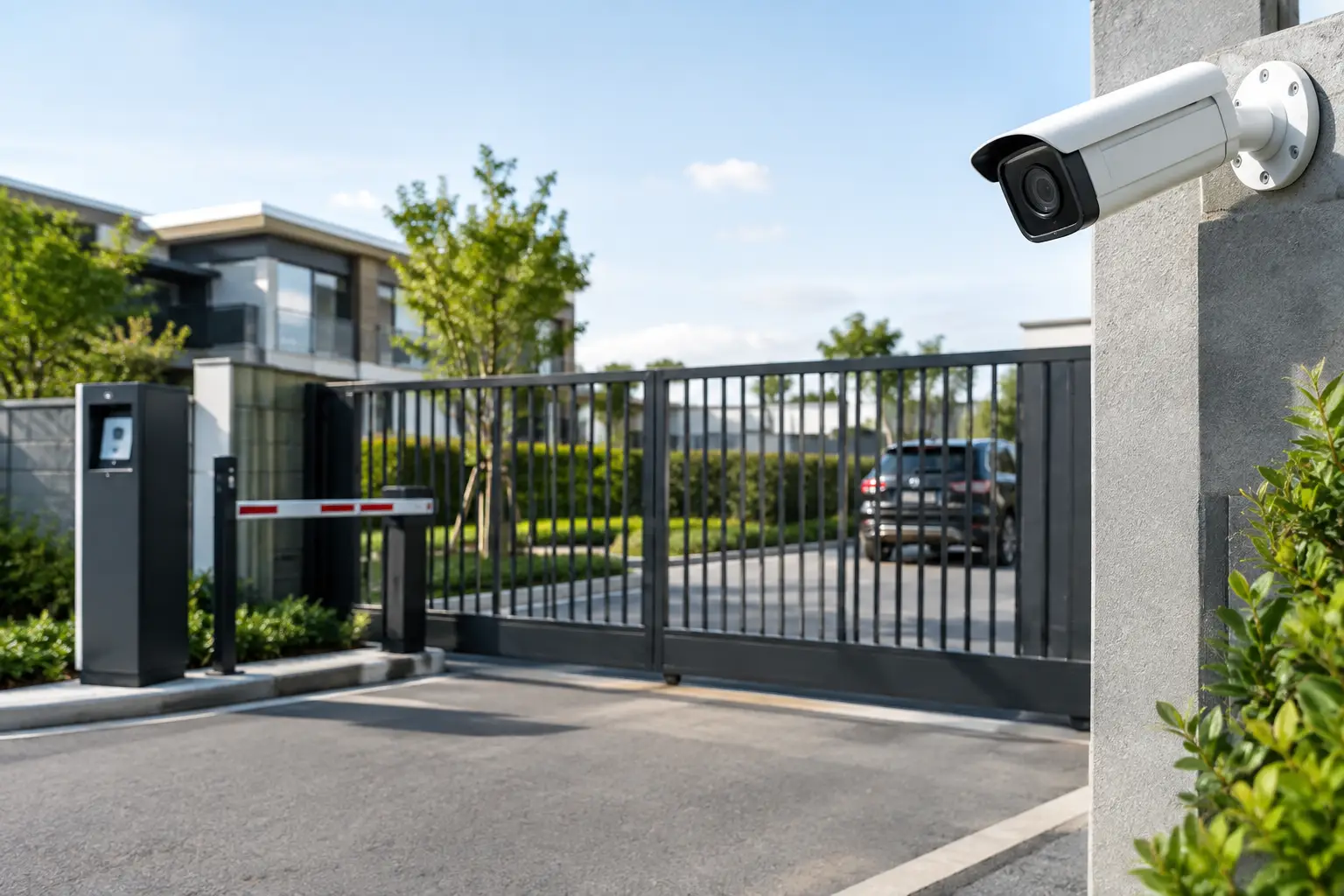
A boat trailer left on a side street, a work van parked behind an apartment, or an RV sitting in a driveway can create the same problem: you need a place that is accessible, organized, and not left to chance. Gated parking with security cameras gives vehicle owners a more controlled alternative, especially in South Florida, where space is tight and outdoor vehicles face regular exposure to traffic, weather, and public view.
A gate and cameras alone do not make a parking facility a good fit. The details matter: who can enter, how the lot is laid out, whether spaces are assigned, what the cameras can realistically monitor, and whether a local operator is paying attention to the property. Before reserving a space, look past the marketing language and check how the facility actually operates.
What gated parking with security cameras should provide
The practical value of a gated lot starts with controlled entry. Instead of an open parking area where anyone can drive through, access is limited to authorized users and approved gate procedures. That does not make a facility risk-free, and no operator should promise that it does. It does, however, reduce casual access and creates a more organized environment for vehicles that may be parked for days, weeks, or months.
Camera monitoring adds visibility. Cameras can help document activity around entrances, drive aisles, and parking rows. They also signal that the property is professionally managed rather than simply an empty paved lot with spaces for rent. For owners of boats on trailers, commercial vans, utility trailers, pickups, and second vehicles, that visible oversight can be a meaningful part of the decision.
The strongest parking operations pair those features with clear procedures. Customers should know how they receive gate access, where they are authorized to park, and what vehicle information is required. If a question comes up, there should be a real local point of contact, not a vague promise that someone will follow up eventually.
Cameras are useful, but coverage matters more
“Camera monitored” can mean different things at different properties. A camera at the front gate is useful, but it may not show every space, every aisle, or activity near the far end of a large lot. Ask where cameras are positioned and whether the property has reasonable sightlines across the parking area.
Good lot design supports better monitoring. Clearly marked drive lanes, numbered spaces, maintained fencing, and limited entry points make it easier to identify where vehicles belong and notice when something is out of place. Overgrown landscaping, stacked vehicles, unmarked rows, and poorly defined parking boundaries work against that goal.
It is also reasonable to understand the limits. Cameras are not a substitute for personal vehicle security. Lock doors, remove valuables, secure trailer couplers, and keep registration or sensitive documents out of sight. Boat and trailer owners may also want wheel locks, hitch locks, or other equipment appropriate to their setup. A professionally managed lot is one layer of protection, not a reason to skip the basics.
Assigned spaces make a difference
A numbered, assigned space is one of the simplest features that separates organized parking from an informal lot. You know where to park. The operator knows where your vehicle is expected to be. Other customers are not searching for an open spot or squeezing into whatever space looks available.
That clarity matters for vehicles of different sizes. A compact car, a long boat trailer, a box truck, and a motorhome do not need the same amount of room. Parking in the wrong space can block an aisle, interfere with a neighbor, or create access problems when you are trying to leave early for a job, a launch ramp, or a weekend trip.
Before you reserve, measure the full vehicle setup. For a trailer, include the tongue and any equipment that extends beyond the main frame. For a truck or van, account for mirrors, ladders, racks, and rear-door clearance. If the vehicle is used for work, think about how often you need to get in and out and whether the lot’s access schedule fits your route.
A live lot map can make this much easier. Rather than being assigned an unknown space after payment, you can see the available layout and select a specific numbered space that works for your vehicle. That is especially useful when access, turning room, and proximity to an entrance matter to you.
Check access before price
A low advertised monthly rate is not a good value if the facility makes it hard to use your vehicle. Gate hours, access instructions, turnaround room, and entry width can matter as much as the space itself. A trailer owner who launches before sunrise and a contractor loading equipment at daybreak may have different needs than someone keeping a seasonal vehicle.
Ask whether gate access details are sent after the reservation is complete and whether the process is clearly explained by email and text. You should not have to chase down basic instructions after paying. A straightforward digital reservation process should cover the location, space number, vehicle details, payment terms, and the next step for getting into the lot.
For South Florida customers, location should be part of the calculation too. A lot near your marina, service area, home, apartment, or work route may save more time and fuel than a slightly cheaper space farther away. Riviera Beach boat owners, for example, may prioritize quick access to nearby ramps and waterfront areas. Commercial vehicle owners in Hollywood may put more value on proximity to Downtown Hollywood and their daily service routes.
Read the rental terms closely
Parking can become expensive when advertised prices leave out fees, mandatory insurance products, administration charges, or long contract commitments. Clear per-space pricing makes it easier to budget, whether you need parking for a few days or month-to-month space for a trailer or work vehicle.
Flexible terms are particularly useful when your plans change. A customer waiting for a driveway renovation, traveling for part of the year, working a temporary project, or relocating a boat may not need a long contract. Daily and month-to-month options can be more practical than signing up for a long term you do not need.
At the same time, flexible does not mean rules do not apply. A good operator will be direct about permitted vehicle types, registration requirements, parking boundaries, maintenance expectations, and prohibited activities. Those rules protect the lot for everyone. If a facility cannot clearly explain them before you reserve, expect confusion later.
Questions worth asking before you reserve
You do not need a long checklist, but a few direct questions can prevent the most common parking headaches. Confirm that your vehicle type is permitted and that its full length fits the available space. Verify the gate access process, the facility’s operating hours, and whether your space is assigned by number.
Ask how the property is fenced and monitored, where cameras are located, and how management handles issues such as a blocked space or an unauthorized vehicle. It is also smart to confirm the total price before payment, including any one-time charges or recurring fees. A transparent operator should answer these questions plainly.
Qualcon Spaces is built around that practical approach: select an available numbered space, provide your vehicle details, pay online, and receive access instructions. The goal is not to make parking complicated. It is to give owners a controlled place for the vehicles they rely on without opaque pricing or unnecessary contracts.
The right fit is organized, not just enclosed
A chain-link fence, a gate keypad, and a few cameras are a starting point. The better test is whether the entire property operates with order. Can you identify your space? Can you get in when you need to? Is the lot maintained? Are the rules clear? Does the price match what you will actually pay?
When those answers are clear, gated parking becomes easier to trust and easier to use. Choose a space that fits the vehicle you own now, leave room for the way you use it, and treat the facility’s security features as part of a sensible overall plan for protecting your property.