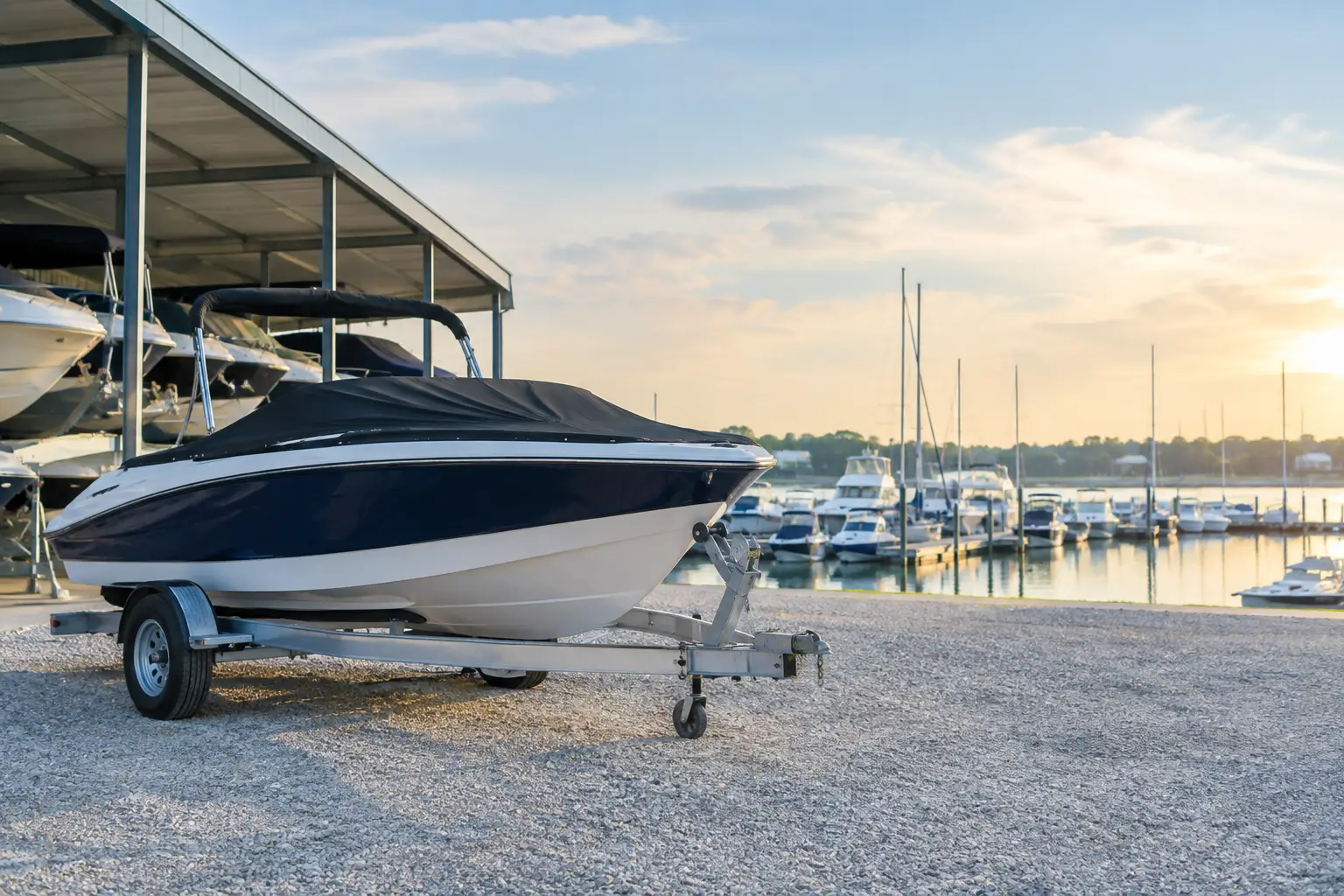
A boat day can start before sunrise and end after the ramps get busy. The last thing you need is a trailer parked across town, boxed into a tight yard, or sitting in a space you cannot access when conditions are right. The search for boat trailer parking near marina access is really about protecting your time on the water while keeping the trailer secure, legal, and out of the way at home.
For South Florida boat owners, the right parking space is not necessarily the closest address on a map. It is the one that gives you a practical route to your preferred marina or public ramp, enough room to maneuver, clear access rules, and a price that makes sense when the boat is not in use.
What Boat Trailer Parking Near a Marina Should Deliver
“Near” is relative when you are towing. A location a few miles farther away may still be the better choice if it keeps you off congested streets, avoids difficult turns, and provides a straightforward route to the water. Before reserving a space, drive the route or review it closely with your full trailer length in mind. A road that is easy in a pickup alone can be a different story with a boat behind it.
The parking lot matters just as much as the route. Look for a paved, assigned space sized for the trailer and vehicle arrangement you plan to park. Assigned, numbered parking removes a common problem at open lots: coming back after a weekend to find another vehicle in the place you expected to use. You should know exactly where your trailer goes before you pay.
A fully fenced, gated property with camera monitoring is also a meaningful baseline for an asset that may sit unattended between trips. Security does not replace a coupler lock, wheel lock, or proper trailer insurance. It does, however, create a controlled property environment where access and parking are managed instead of left to chance.
Start With Your Actual Trailer Dimensions
Do not reserve based on the boat’s listed length alone. Measure the entire trailered setup from the front of the tongue to the farthest point at the back, including an outboard, swim platform, guide poles, or any accessory that extends beyond the hull. Measure the width at its widest point, too.
That full footprint determines whether the space is a comfortable fit and whether you can pull in and out without creating problems for neighboring spaces. A trailer that technically fits can still be inconvenient if there is no room to straighten out, open a truck tailgate, or make a clean turn through the drive aisle.
If you store the tow vehicle separately, confirm that the lot allows the trailer configuration you intend to park. If you plan to leave the boat attached to a truck or SUV, calculate the combined length. Good parking operators ask for vehicle details for a reason: proper placement keeps the site organized and helps preserve clear lanes for every customer.
Access Hours Matter More Than Office Hours
Boat owners do not operate on a standard business schedule. Early tides, weather windows, fishing plans, and holiday traffic often mean you need access before most offices open or after they close. Ask about gate access, not just customer-service hours.
Digital reservation systems can make this much simpler. With Qualcon Spaces, customers choose an available numbered space from a live lot map, provide the vehicle details, pay online, and receive gate-access information by email and text. That process is useful when you need to make a decision outside traditional office hours and want to know the exact space you are reserving.
Access also has a practical side. Confirm how the gate opens, whether towing is permitted through the entrance at all posted access times, and whether there are any location-specific rules for oversized vehicles. A lot may be secure and well maintained but still be a poor fit if its gate schedule does not match your launch routine.
Compare the Real Monthly Cost, Not the Advertised Starting Rate
Traditional boat-parking facilities can add administrative charges, setup fees, insurance requirements, long commitments, or rate changes after an introductory period. That does not always make them the wrong choice. Covered parking, enclosed parking, and specialty services can be worth paying for depending on your boat, budget, and how often you use it.
But if your main need is secure outdoor trailer parking, compare the total price for the specific space you need. Ask whether pricing is per space, whether taxes or fees are shown upfront, and whether the rate changes with trailer length. Clear pricing makes it easier to compare a marina-adjacent parking option with a lot farther inland.
Flexible terms are valuable for seasonal boaters, owners between moves, or anyone testing a new launch routine. Daily parking can make sense for short-term needs. Month-to-month parking is often the more practical choice if the trailer needs a dependable home without a long contract. The right arrangement depends on how frequently the boat leaves the lot and whether you need the space year-round.
Keep the Trailer Ready for the Next Launch
Florida heat, rain, and salt air are hard on trailers even when they are parked. Parking is not just a place to leave equipment. It is part of a maintenance routine that keeps launch day from turning into a repair day.
Before parking, rinse salt and sand from the trailer after coastal use. Check that tie-downs are secure, remove valuables from onboard compartments, and inspect the coupler and safety chains. If the trailer will sit for a while, use a quality lock and check tire pressure regularly. Sun exposure may also justify tire covers or a trailer cover, provided they are secured and allowed under the property’s rules.
Avoid using the parking space as a repair bay. Oil changes, sanding, washing, and major maintenance can create safety, drainage, and neighbor issues. A professionally managed lot should have clear rules about what is permitted on site. Those rules are not needless restrictions. They help keep the property clean, accessible, and safe for everyone towing through it.
A Quick Check Before You Reserve
Before choosing a boat trailer parking space near a marina, confirm these practical points:
- Your complete trailer length and widest measurement fit the assigned space.
- The route from the lot to your preferred marina or ramp works for towing.
- Gate access aligns with the times you actually launch and return.
- The property is fenced, monitored, and managed with clear parking rules.
- The displayed rate, rental term, and any requirements are clear before payment.
It is also worth asking how the operator handles a blocked space, a gate issue, or a question about your vehicle. Local management can make a difference here. When a trailer is involved, a quick answer from someone who knows the property is more useful than a generic call-center response.
Choose a Space That Makes Boating Easier
Your boat trailer should not take over the driveway, create friction with an HOA, or become a weekly parking puzzle. It should be parked in a defined space that works with the way you boat: close enough to the marina or ramp to be useful, secure enough to leave with confidence, and flexible enough to match your schedule.
Pick the space based on the full towing picture, not just a pin on a map. When the route is simple, the fit is right, and the rules are clear, you spend less time managing the trailer and more time deciding when to get back on the water.